
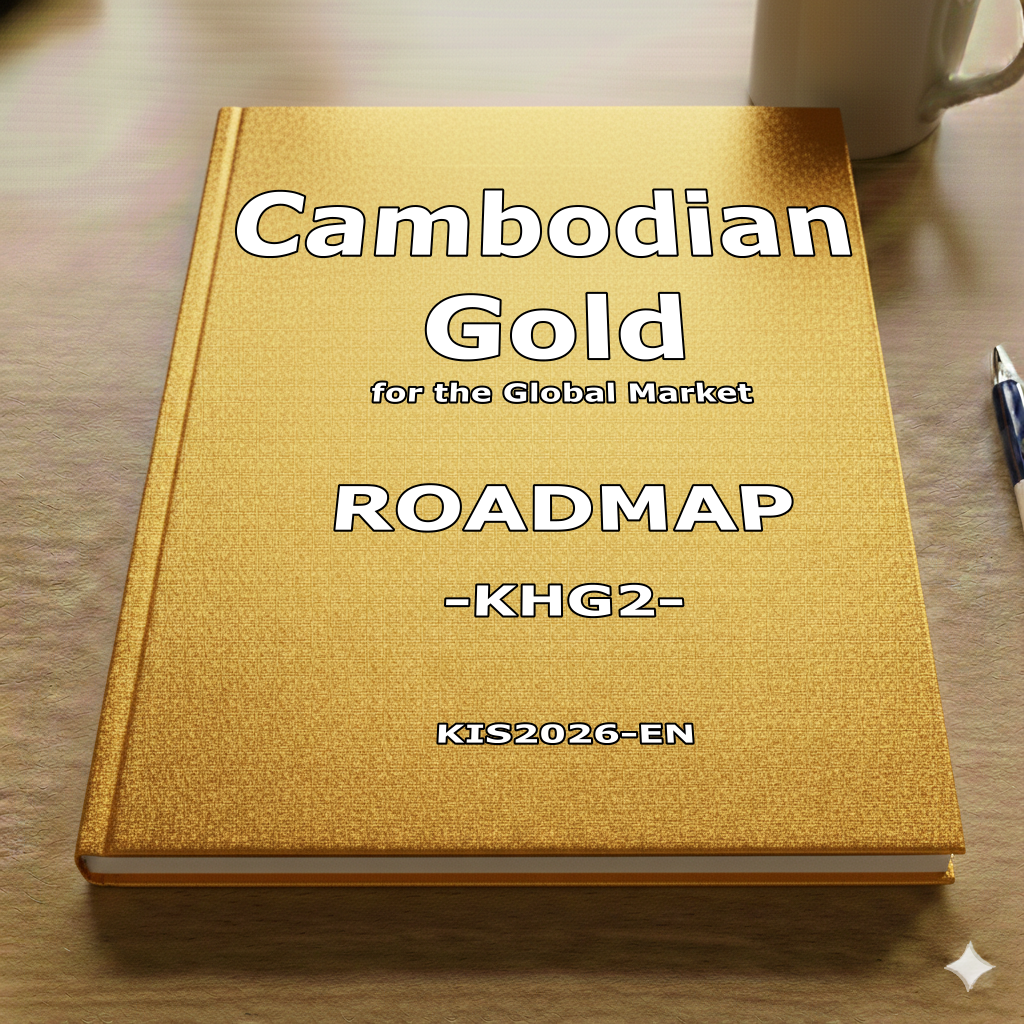

Cambodian Gold for the Global Market-2026-KHG1-Asymmetric Risk Analysis-EN
18.500,00$
Focus: In-depth audit of the logistical, bureaucratic, and infrastructural barriers to monetizing Cambodian gold assets for the global market in 2026.
-
Format: Digital Strategic Brief (PDF)
-
Volume: 9 Pages of Critical Risk Intelligence
-
Integrity Rating: A blunt 4.2/10 assessment of the infrastructural integrity of gold export corridors.
-
Strategic Bottlenecks: Identification of the disconnect between “One Window” government promises and the reality of informal stakeholder checkpoints.
-
Cashflow Integrity: Analysis of risks posed by opaque royalty assessments and physical transit vulnerabilities in Mondulkiri and Ratanakiri provinces.
- Rating according to international standards (ICD 203) 9.2 out of 10
Reference class for frontier market due diligence.
Description
Monetizing Cambodian gold in 2026 is not a geological challenge but a logistical and bureaucratic one. While significant deposits in the Northeast (Mondulkiri/Ratanakiri) are scientifically proven, the path to the global market is laden with asymmetric risks that directly threaten actualized ROI.
Agitation: Relying on official development narratives often leads to overlooking the “Hardware Reality” on the ground. With an infrastructure integrity score of only 4.2/10, the sector remains a high-risk field. Physical bottlenecks on National Road 76 (NR76) and the rent-seeking behavior of informal actors serve as systemic cashflow blockers that can erode margins faster than gold can be extracted.
Solution: The Asymmetric Risk Analysis (KHG1) deconstructs the complex web of geopolitical ambitions and deeply rooted power structures. It provides investors with the essential “Decision Intelligence” required to differentiate between political rhetoric and physical reality, outlining necessary protective mechanisms such as local refinery certification and the legal fortification of land titles.
Insights into the Expertise (Reading Sample)
“Monetizing Cambodian gold is a highly profitable but asymmetrically risky venture. Cash flow is blocked not by a lack of resources, but by the fragility of physical routes and the greed of informal stakeholders. As long as structural deficiencies in infrastructural integrity (4.2/10) persist, the sector remains a ‘high-yield, high-risk’ field. The integrity of the system currently rests less on concrete and steel and more on fragile political agreements between the state leadership and the economic elite. Achieving true global market access requires decoupling the logistical chain from informal influences.”
- Rating according to international standards (ICD 203) 9.2 out of 10
Reference class for frontier market due diligence.10 Strategic Analysis & Application Proposals
-
Redundancy Engineering: Budget for rail network extensions to Mondulkiri to break the terminal dependency on the vulnerable NR76.
-
SEZ Refinery Certification: Invest in certified gold refineries within Special Economic Zones (SEZs) to bypass provincial bureaucratic export risks.
-
Communal Land Title Audit: Accelerate the registration of indigenous communal land titles to prevent land-grabbing and ensure social stability in mining zones.
-
Informal Cost Buffering: Factor realistic “Informal Stakeholder Tolls” into OPEX models rather than relying on official fee schedules.
-
ESG Shielding: Implement rigorous social standards to neutralize “Third-Party” challenges from NGOs or local community groups.
-
Sovereign Guarantee Structuring: Utilize international investment insurance (e.g., MIGA) to hedge against sudden shifts in royalty assessments.
-
Physical Security Protocols: Establish private security joint ventures to secure gold transport through high-friction corridors.
-
Transparency Monitoring: Deploy blockchain-based supply chain documentation to meet international “Conflict-Free” compliance standards.
-
Elite Partner Screening: Select local partners based on their verifiable influence over RCAF (Military) sponsorship chains.
-
Exit Vector Positioning: Package the asset for trade-sale to state-owned enterprises (e.g., China SOEs) that possess higher tolerances for frontier market asymmetries.
-


Reviews
There are no reviews yet.