
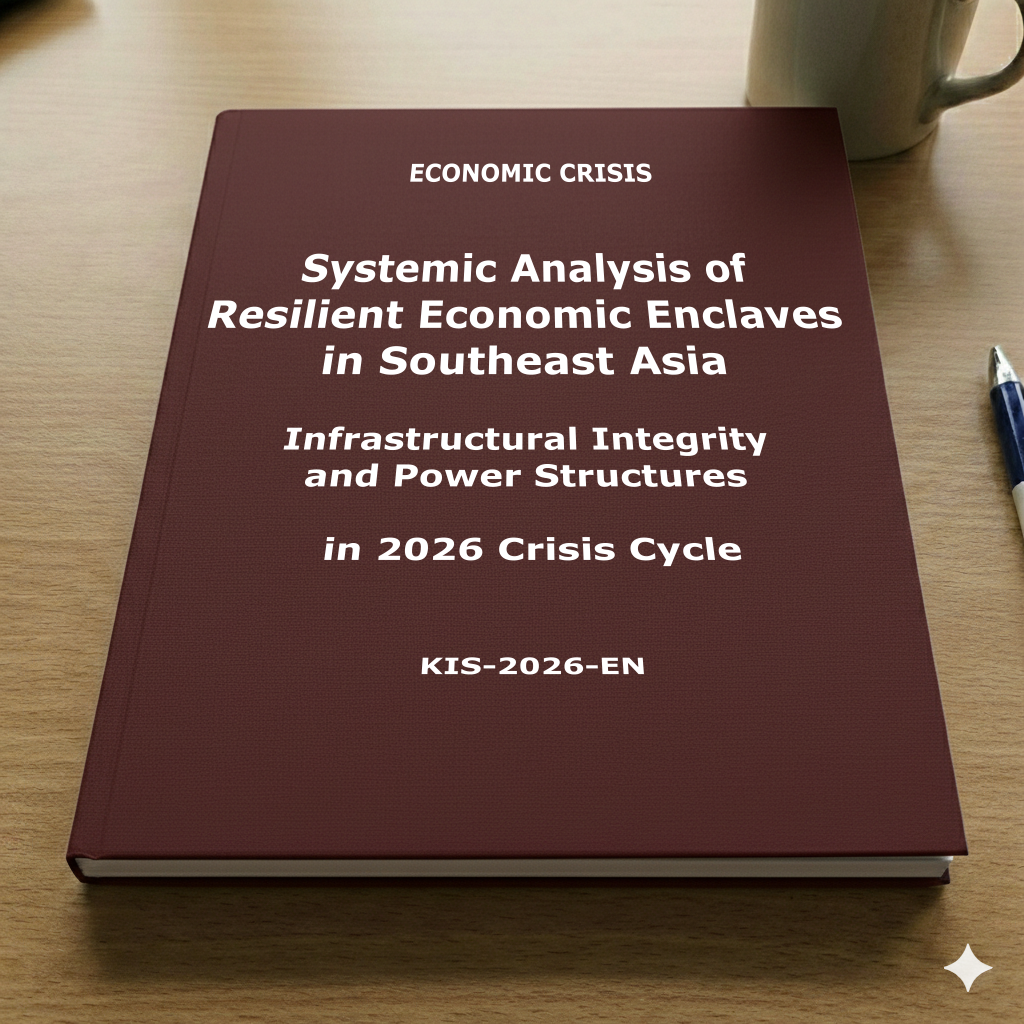
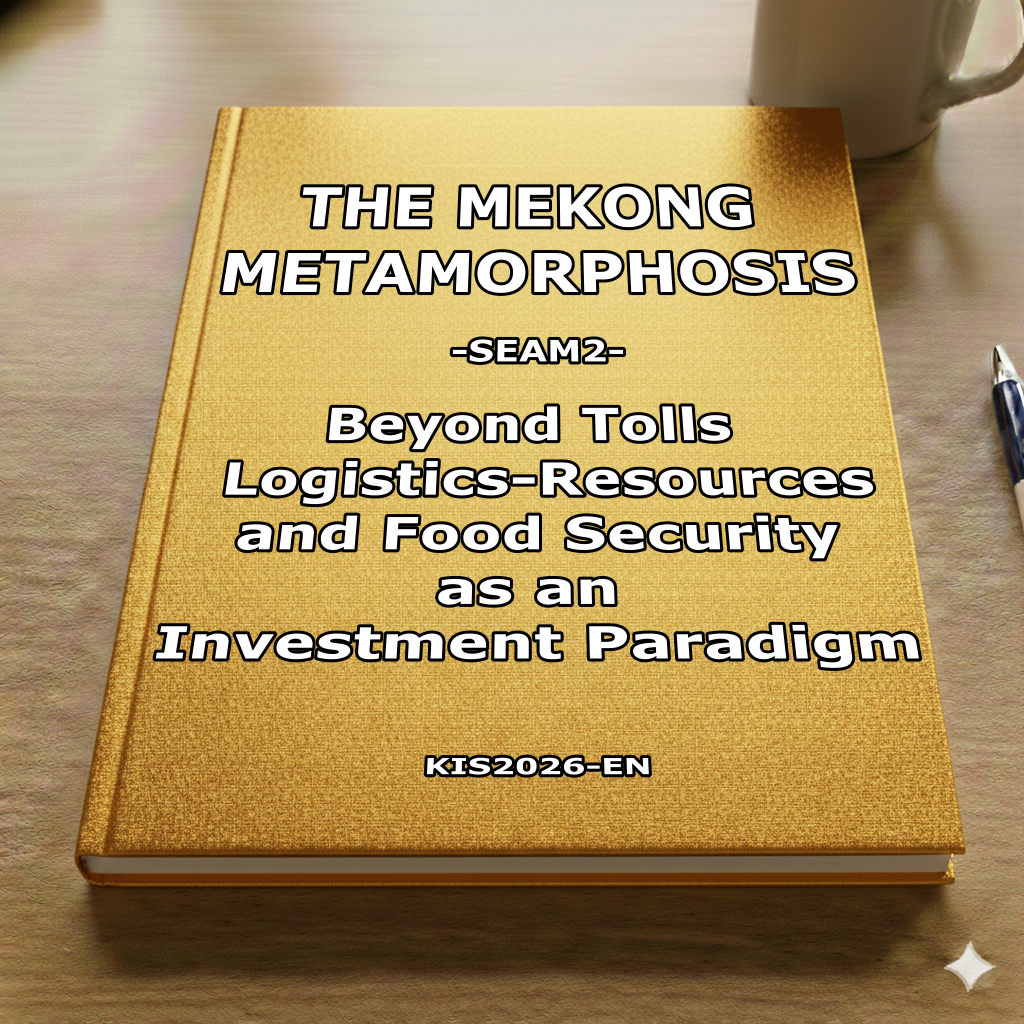

kis_SEAM1-THE MEKONG METAMORPHOSIS-Logistic Hegemony and the Decay of Sovereignty-EN
18.000,00$
Focus: Deep-dive geopolitical analysis of Southeast Asia’s transport infrastructure metamorphosis and the erosion of regional sovereignty in February 2026.
-
Format: Digital Strategic Intelligence Report (PDF)
-
Volume: 11 Pages of Analytical Deconstruction
-
Expertise & Excellence: This report exposes the “Logistic Hegemony” replacing traditional maritime dominance in the Mekong region.
-
Institutional Decay: Investigation into the failure of Thai consortia and the 120 million THB (approx. 3.5M USD) payment defaults in NEDA-backed projects in Laos.
-
The Iron Rivers: Analysis of how the vacuum left by regional financial weakness is being filled by state-directed northern capital.
-
Logistics as a Weapon: Deconstruction of the paradigm shift from “Land-Locked” to “Land-Linked” and its impact on trade sovereignty.
- With an average score of 9.17 from 10 on the international ICD 203 scale, the package belongs to the absolute elite of market-available geopolitical risk analyses.
Description
Southeast Asia’s transport power is undergoing a fundamental metamorphosis. While transnational infrastructure projects promise prosperity, the reality on the ground is marked by systemic corruption, failed financing models, and a “dilapidated” substance. The shift from maritime dominance to a land-based architecture is creating new forms of asymmetric dependency.
Agitation: Relying on the “freedom of the seas” is no longer a viable security strategy. The strategic vulnerability of maritime chokepoints like the Strait of Malacca has initiated a paradigm shift where infrastructure is weaponized. Thai actors and regional agencies like NEDA are increasingly viewed as “paper tigers” due to significant financial defaults, allowing northern state-directed capital to seize control of critical “Iron Rivers”.
Solution: This Strategic Analysis (SEAM1) provides the unvarnished intelligence required to navigate the decay of regional sovereignty. It deconstructs the financing failures of Thai consortia and identifies the new gravitational hubs of logistics power. This report is the definitive guide for understanding how mastery of transport routes has become the central determinant of the future political order in Southeast Asia.
INSIGHTS INTO EXPERTISE (READING SAMPLE)
“The thesis that mastery of transport routes is synonymous with mastery of trade and, ultimately, political power in the region, proves in current geo-economic analysis to be not only valid but the central determinant of the future order. However, this shift in power is taking place against the backdrop of a system that must be described in its substance as deeply ‘dilapidated’ (marode). The specific allegation that NEDA projects have degenerated into ‘paper tigers,’ exemplified by the failure of Thai actors to meet payment obligations amounting to approximately 3.5 million USD, serves as a magnifying glass for a broader examination of regional capital flows. Logistics is becoming a weapon, and infrastructure an instrument of dominance.”
- With an average score of 9.17 from 10 on the international ICD 203 scale, the package belongs to the absolute elite of market-available geopolitical risk analyses.
10 STRATEGIC ANALYSIS & APPLICATION PROPOSALS
-
Logistics Hegemony Audit: Evaluate your supply chain’s exposure to northern state-directed infrastructure monopolies.
-
NEDA Failure Mitigation: Assess the risk of current projects in Laos that rely on Thai consortia currently facing liquidity crises.
-
Iron River Connectivity: Strategize for the shift toward land-linked logistics to mitigate the “Malacca Dilemma” and maritime vulnerability.
-
Institutional Decay Stress-Test: Audit regional partnerships against systemic corruption and failed financing models in the transport sector.
-
Trade Deficit Arbitrage: Analyze the impact of improved logistical connectivity on the doubling trade deficit with China (2020–2024).
-
“Land-Linked” Sovereignty Play: Identify opportunities in Laos’ transformation from “land-locked” to a strategic “land-linked” artery for ASEAN.
-
Infrastructure Weaponization Defense: Implement redundant logistical routes to prevent “supply chain diversion” by dominant infrastructure operators.
-
Thai Consortium Risk Mapping: Monitor the 120 million THB default cycle to predict the next wave of regional asset realignments.
-
Mekong Metamorphosis Timing: Use the 2026 crisis cycle data to time your entry into privatized transport hubs.
-
Passive Role Avoidance: Ensure your capital acts as an “efficiency partner” rather than falling into the passive dependency of northern exporters.
Related products
-
- Sale!
- SOUTHEAST ASIA STRATEGY
CAMBODIA 2026: KH-Investment Report: Complete Strategic Bundle-KH 1,2,3-EN
- Original price was: 62.000,00$.55.000,00$Current price is: 55.000,00$.
- Add to cart


Reviews
There are no reviews yet.