
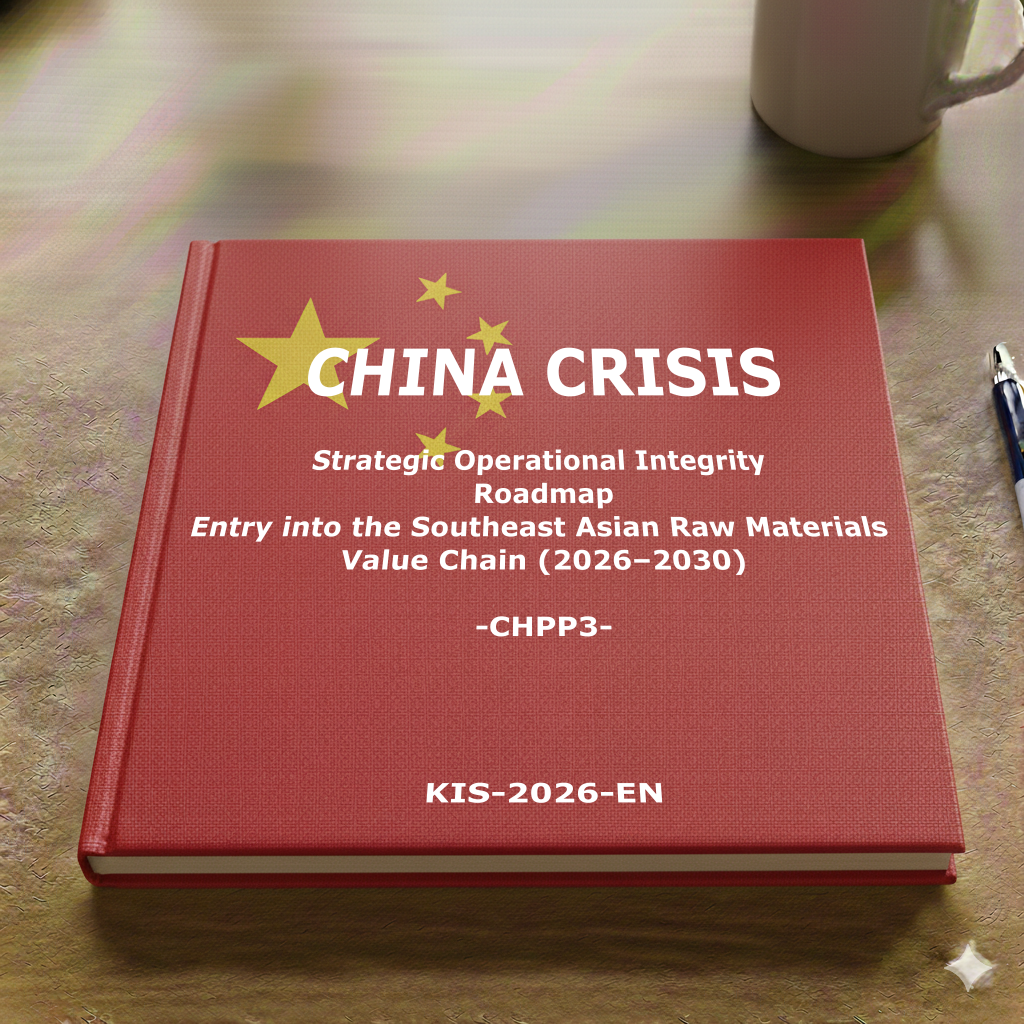
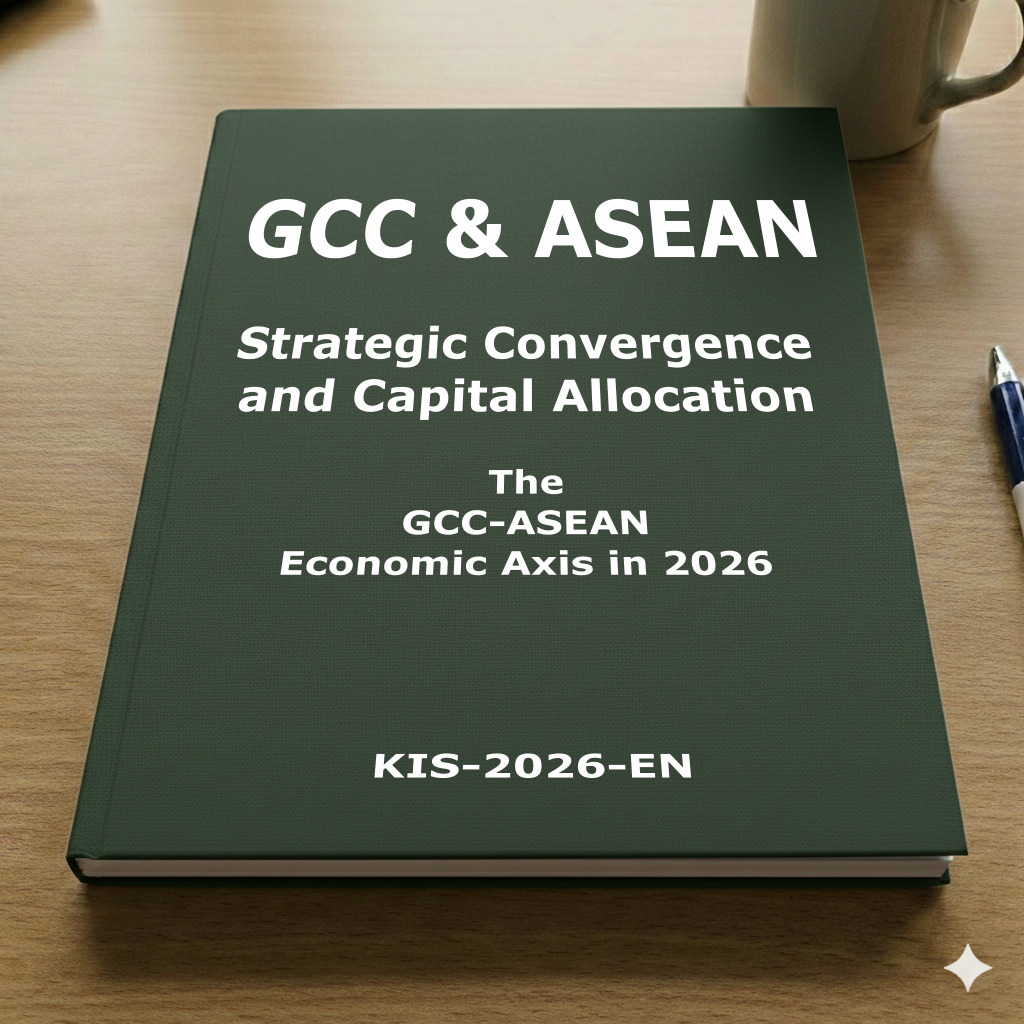

kis_China Structural Decay Bundle 2026-Strategic Asset Intelligence-CHPP1-3-EN
Original price was: 66.000,00$.55.000,00$Current price is: 55.000,00$.
Focus: The definitive 3-in-1 institutional intelligence suite for navigating China’s 15th Five-Year Plan transition and capturing the resulting capital vacuum in the CLM corridor (Cambodia, Laos, Myanmar).
-
Format: Digital Strategic Compendium (PDF)
-
Volume: 32 Pages of High-Density Decision Intelligence
-
Core Intelligence: In-depth audit of the 60T RMB LGFV debt crisis, the retreat of Belt and Road Initiative (BRI) financing, and the resulting asymmetric entry points for private equity.
Description
February 2026 marks a tectonic shift in the Southeast Asian economic landscape. The structural decay of the People’s Republic of China—driven by a metastasized balance sheet recession and demographic compression—has forced Beijing into a massive contraction of foreign liquidity. Traditional patronage networks in the CLM corridor are collapsing as promised Chinese lifecycle funding vanishes.
Agitation: Relying on pre-2024 strategies or state-level guarantees is now a critical failure point. BRI infrastructure completed between 2015 and 2022 is entering a terminal “Maintenance Gap,” transforming once-stable assets into high-risk liabilities. Investors who fail to recognize the 60T RMB LGFV “Zombie Trap” risk being tied to deteriorating infrastructure and crumbling political software.
Solution: The China-CLM Strategic Bundle (CHPP1-CHPP3) provides the architectural blueprint to turn this geopolitical recalibration into a high-yield opportunity. By integrating macroeconomic failure point analysis with an operational roadmap for “Infrastructure Vacancy Arbitrage,” this suite allows private capital to occupy the space vacated by Chinese State-Owned Enterprises (SOEs).
Insights into the Expertise (Reading Sample)
“February 2026 marks a structural inflection point. The PRC’s transition to the 15th Five-Year Plan is characterized by a 60T RMB ‘Hidden Debt’ crisis and a strategic retreat from massive BRI financing. This has created a capital vacuum in the CLM corridor. The stagnation of the BRI is not the end of development, but the beginning of a market-driven maturation phase where private capital takes the lead. Successful actors will be those who secure infrastructure maintenance through privatization models and bridge the compliance gap through radical technological transparency (IoT, AI) and rigorous ESG audits. We do not fight the system; we capitalize on the ‘Maintenance Gap’ by positioning as partners for efficiency and industrial modernization.”
10 Strategic Analysis & Application Proposals
-
LGFV “Hidden Debt” Audit: Quantify the systemic risk of Chinese municipal debt retreats on your specific infrastructure assets.
-
Maintenance Gap Arbitrage: Identify and acquire underfunded BRI projects with high utility for private-sector management.
-
Agro-Industrial Processing Pivot: Reallocate capital to the underdeveloped Cambodian processing sector to serve shifting trade routes.
-
IoT Transparency Protocol: Deploy real-time sensor monitoring to meet Western institutional ESG and bankability standards.
-
Offshore SPV Structuring: Utilize Singapore or Hong Kong shields to neutralize local currency and jurisdictional volatility.
-
Infrastructure Vacancy Capture: Negotiate privatization rights for deteriorating BRI assets to secure proprietary logistical moats.
-
Multilateral Risk Shielding: Structure engagements via the EU Global Gateway to protect against local political arbitrariness.
-
Private PPA Execution: Secure energy independence through private renewable Power Purchase Agreements, bypassing unreliable national grids.
-
Patronage Node Mapping: Identify “real” power centers that operate independently of crumbling central state narratives.
-
Strategic State Exit: Position high-yield privatized assets for secondary sale to state actors once geopolitical stability returns.


Reviews
There are no reviews yet.